
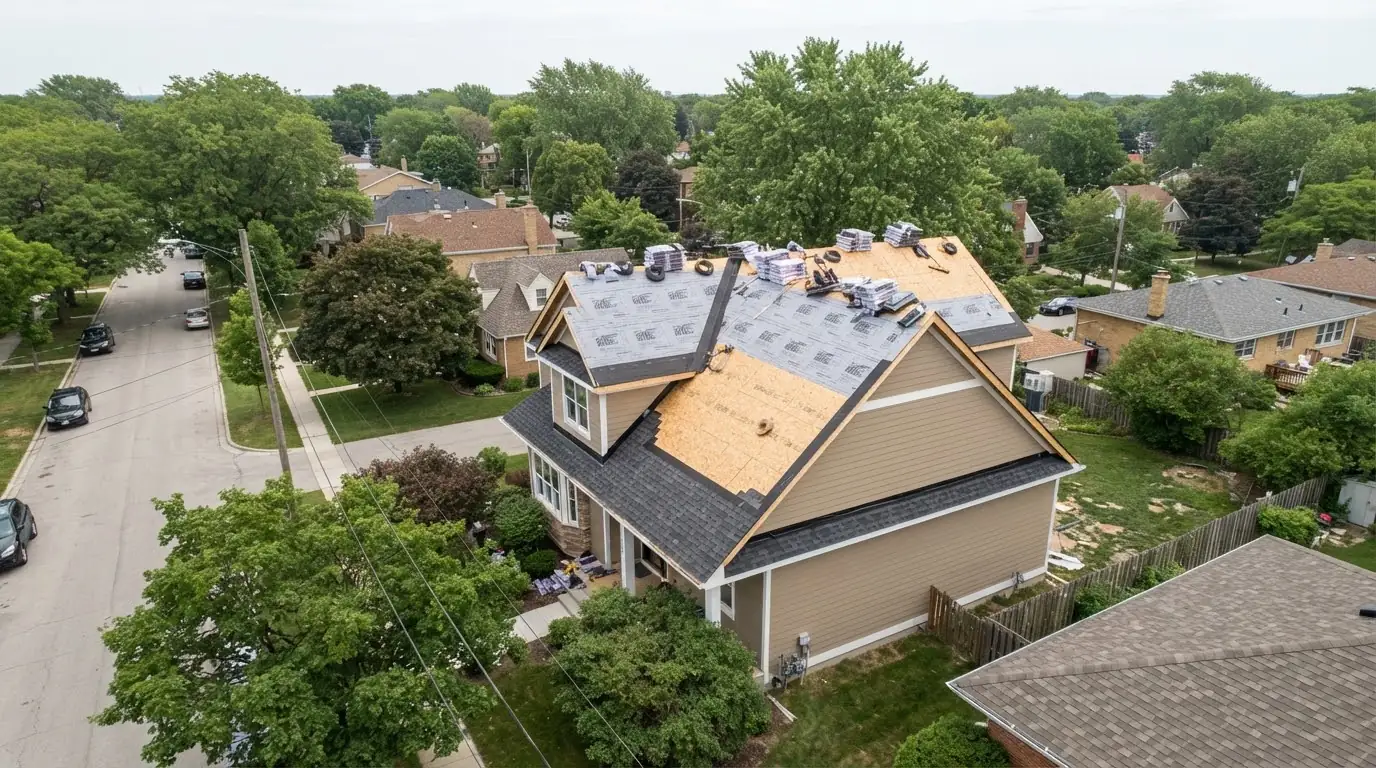
New Roof Installation Across Chicago and the Suburbs
New construction, an addition, or a switch to metal or a flat membrane. A licensed roofer specs the system and installs it to the manufacturer's instructions.
About roof installation
Roof installation is the work of putting a complete roof system onto a bare deck. That happens on new construction, over a new addition, dormer or garage, and when a house changes material, for example from asphalt shingles to standing seam metal. Every layer gets chosen for the building, rather than copied from whatever was up there before.
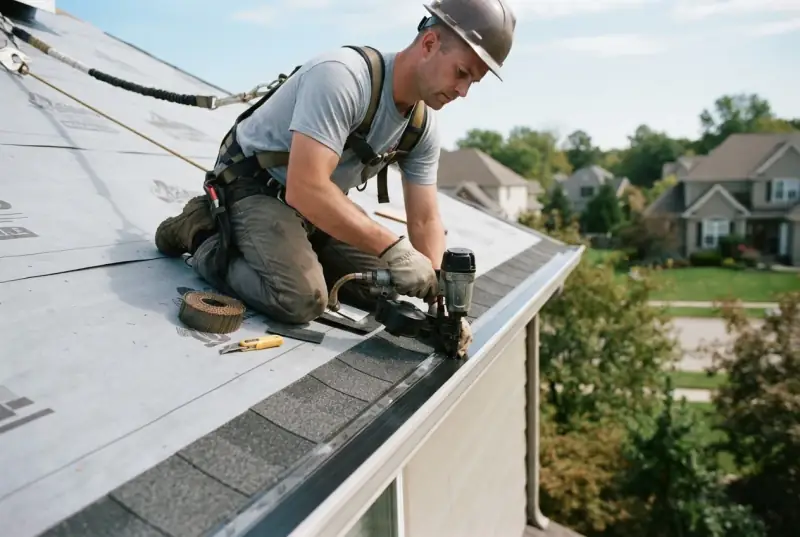
How long a new roof lasts depends as much on the installation as on the product. Shingle and membrane manufacturers publish installation instructions covering nailing, underlayment, ventilation and flashing, and their warranties generally depend on following them. Ask which product line is going on, and whether the system qualifies for the manufacturer's extended warranty.
What goes on a new pitched roof, in order
Each layer covers the one before it. A step skipped early cannot be put right later without taking the roof back off.
- Deck
- Plywood or OSB sheathing fastened to the rafters, checked for sound, flat sheets before anything covers it.
- Drip edge
- Metal along the eaves and rakes that carries water off the edge and into the gutter instead of behind the fascia.
- Ice and water shield
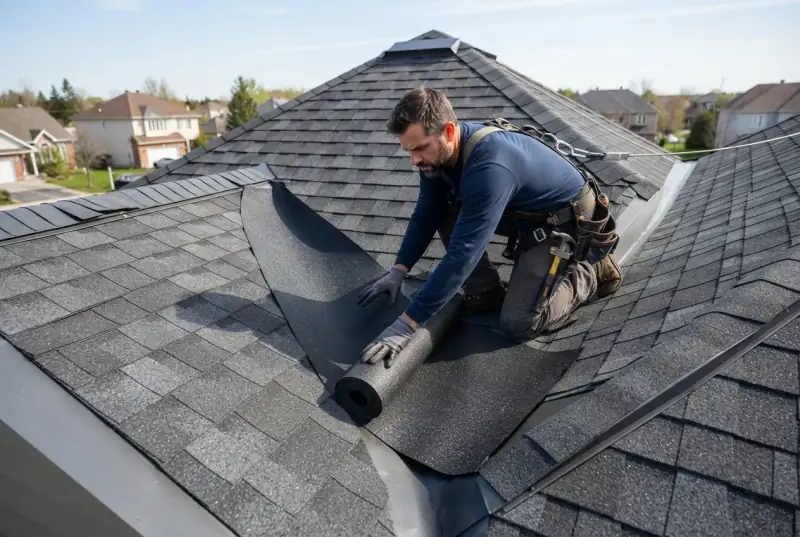
- A self-adhering membrane at the eaves, in the valleys and around penetrations. Cold-climate building codes generally require it at the eaves, running at least 24 inches inside the exterior wall.
- Underlayment
- Synthetic underlayment across the rest of the deck, lapped so water runs over each seam rather than into it.
- Starter course
- Adhesive starter strip at the eaves and rakes, so the first full course is sealed down at the edge where wind gets under first.
- Shingles or panels
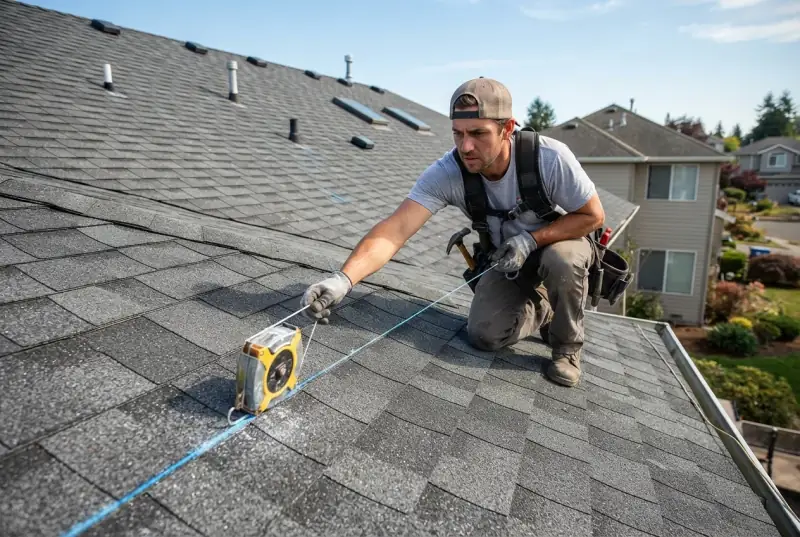
- Laid to chalk lines and fastened where the manufacturer specifies, with the nail count the wind rating calls for.
- Flashing
- Step flashing woven in course by course along walls, plus pipe boots, chimney flashing and valley metal, all cut new for this roof.
- Ridge and ventilation
- Ridge vent or exhaust vents up top, matched to soffit intake below, so the attic breathes the way the shingle warranty assumes.
What sets the price of a new roof installation
An installation is priced from the drawings or from the roof itself. These are the inputs.
- Area and pitch
- Measured in squares of 100 square feet. A steep roof takes more setup and slower, safer work.
- The system chosen
- Shingles, metal and membranes differ widely in material and labor. Metal and slate cost the most to put on.
- Roof shape
- Every valley, dormer, skylight, chimney and wall tie-in adds flashing work.
- Tie-ins to an existing roof
- An addition has to be woven into the old roof, which can mean lifting and relaying a strip of the existing shingles.
- Insulation and venting
- Flat roofs usually take insulation board under the membrane; pitched roofs may need new soffit or ridge vents.
- Permit and inspection
- Most new roofs need a permit, and new construction is inspected. Ask who pulls it and whether it is in the price.
Questions to ask about a new roof
- Which exact product?
- The manufacturer and product line, not only "architectural shingles" or "TPO".
- Which warranty?
- The standard material warranty, or an extended system warranty, which usually needs the manufacturer's matching components and a registered installation.
- How was the ventilation worked out?
- How much intake and exhaust the attic is getting, and how that number was reached.
- Who owns the tie-in?
- On an addition, who is responsible if the joint between the old and new roof leaks.
When a roof is installed from scratch
New construction
A new house or building needs the roof system specified with the drawings: deck, underlayment, covering, flashing and ventilation, sized to the attic below it.
Additions, dormers and garages
The new roof has to be woven into the old one. The joint where new flashing laps under existing shingles is where additions most often leak.
Changing roof material
Going from shingles to metal, or from an old built-up flat roof to a single-ply membrane, changes the underlayment, the flashing details and sometimes the deck.
Low-slope sections
Building codes generally allow shingles down to a 2:12 pitch, with a double layer of underlayment below 4:12. Flatter porch and rear-addition roofs take a membrane instead.
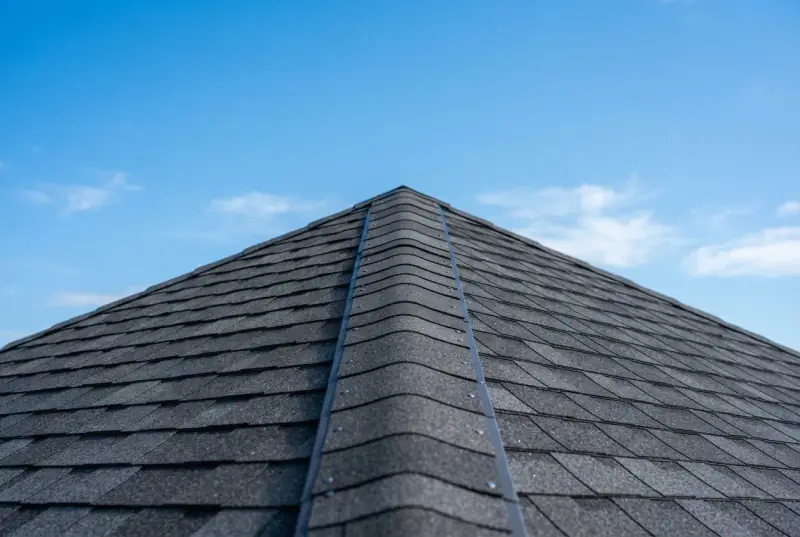
A new roof, layer by layer
The details that decide whether a roof reaches its rated life, most of them invisible once it is finished.
What goes into the work
Architectural asphalt shingles
The usual choice on Chicago-area houses. Laminated, heavier than three-tab, and usually carrying a higher wind rating. Impact-resistant versions exist for hail-prone roofs.
Standing seam metal
Concealed-fastener panels that shed snow and outlast shingles, at a higher installed price. They need a high-temperature underlayment and careful detailing at every penetration.
TPO and EPDM membranes
Single-ply systems for low-slope roofs. TPO seams are heat-welded; EPDM is rubber with taped or adhered seams. Both go over insulation board fixed to the deck.
Modified bitumen
A layered asphalt membrane common on city two-flats and flat rear additions, torch-applied or self-adhered.
Cedar shake and slate
Mostly on older and historic homes. Both need installers who work with them regularly, and slate needs framing that can carry its weight.
Roof installation questions
More questions are answered on the main FAQ page.
What is the difference between roof installation and roof replacement?
Replacement takes an old roof off a house and puts a new one on. Installation is the new roof itself, and it also covers roofs that never existed before: new builds, additions, garages. On an existing house the two overlap; the roof replacement page covers tear-off and when to replace.
Can a metal roof go on a house that had shingles?
Usually, yes. Standing seam panels suit most pitched roofs with a sound deck, laid over a high-temperature underlayment with new flashing at every wall and pipe. The roofer should check the pitch and the deck first, and plan where sliding snow will land.
How long does a new roof installation take?
A typical house roof takes a few working days once the materials are on site. On new construction the roof follows the framing and sheathing, so it runs to the build schedule. Metal, slate and large flat roofs take longer. Get the start and finish dates in writing.
Do I need a permit for a new roof?
Usually. Most towns in the Chicago area require a building permit for a new roof, and new construction and additions get inspected. The rules differ by town, so ask the roofer who pulls the permit and whether its cost is in the estimate.
Can a new roof be installed in winter?
Yes, with limits. Shingles rely on warm sun to self-seal, so in deep cold they may be hand-sealed or left to seal in spring. Membranes and adhesives carry minimum application temperatures on the label. On new construction the roof often goes on whenever the framing is ready.
New roof installation across the metro
Roofers cover Chicago and the surrounding suburbs across Cook, DuPage, Lake, Will, Kane and McHenry Counties.
Related Roofing Services
Planning a new roof?
Call with the address and what is being built or changed. A licensed roofer looks at the deck or the drawings and prices the system in writing.