
Joliet Roofing, Historic Homes and Heavy Commercial
19th century housing and limestone architecture alongside warehouse roofs measured in acres.
Older roofs and what keeps them watertight
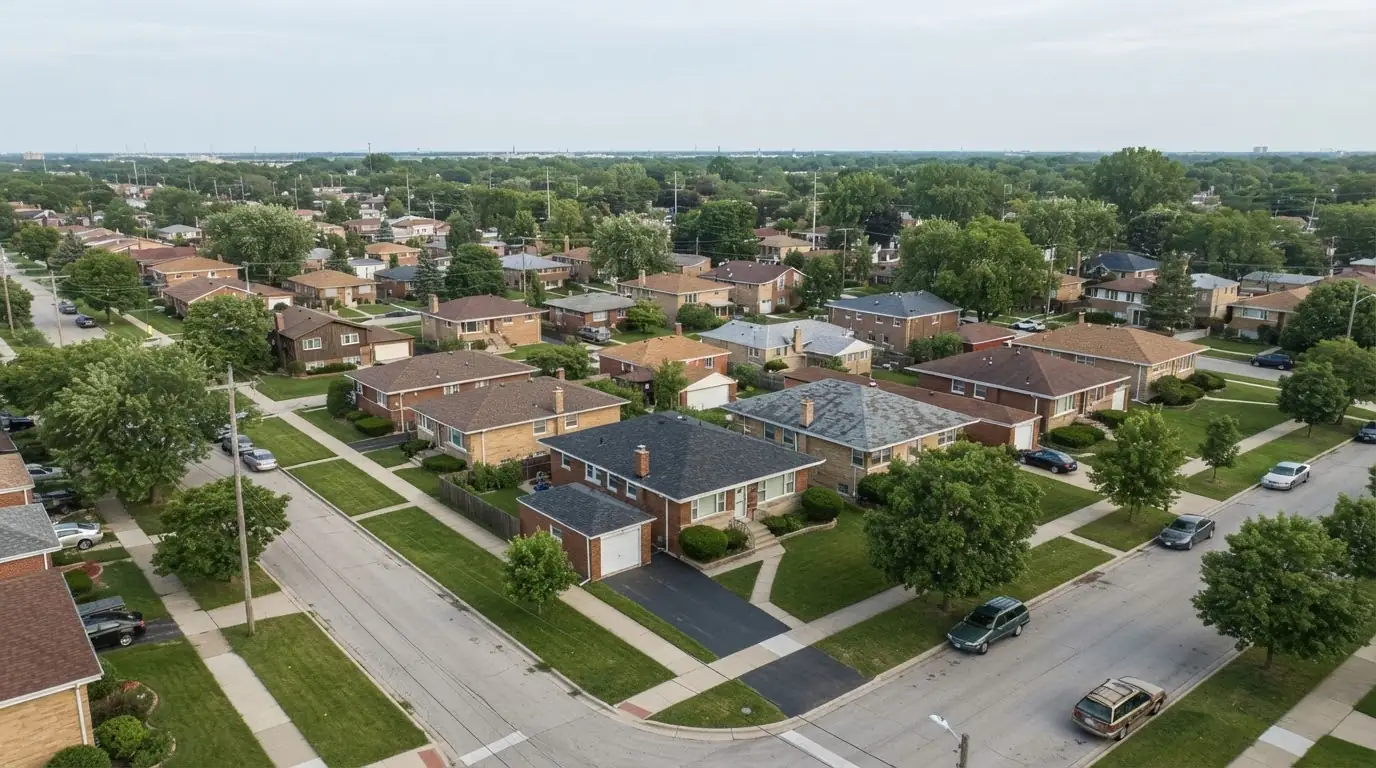
Joliet is one of the oldest and most industrially significant cities in the region, and its roofing profile reflects that history. The city has real 19th century houses around its historic districts, long stretches of early and mid-20th century neighbourhoods, a big industrial and warehouse base, and newer subdivisions out to the west and south. Few communities in the metro carry this wide a spread of building ages and types.
In the older neighbourhoods you find Victorians, Italianates, foursquares and frame cottages built between the 1870s and the 1920s: steep roofs, dormers, cornices, and masonry chimneys whose aging mortar has to take properly cut counterflashing. Joliet limestone construction appears throughout the older districts and adds masonry-to-roof detailing that requires care. Mid-century development added ranches, Cape Cods and bungalows. Newer subdivisions on the outskirts bring 1990s and 2000s two-stories with multi-gable elevations and considerable valley footage. On the oldest housing, accumulated roofing layers and deck condition are the practical variables in any replacement.
What the weather does to an older roof
Will County sits in an active severe weather corridor and takes recurring high-wind thunderstorm complexes moving in from the west and southwest, along with periodic damaging hail. The Des Plaines River and the canal corridor run through the city, making drainage and downspout discharge more consequential for properties near them. Every winter, freezing and thawing loosens the older masonry and the flashing set into it.
What each service runs into in Joliet
Roof Repair
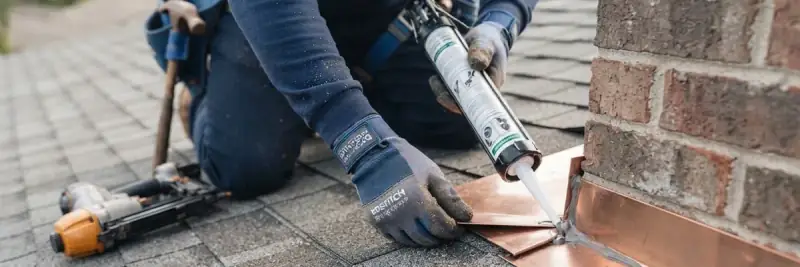
Joliet repairs run from limestone-era masonry detailing in the historic districts, where counterflashing has to be cut into mortar that has been weathering since the 1880s, through mid-century bungalow and ranch work, to valley and transition repairs on the newer west and south side subdivisions.
Limestone wall transitions
Joliet limestone appears throughout the older districts, and cutting counterflashing into stone and its joints is a different job from doing it in brick. It is not somewhere to substitute sealant.
Accumulated layers on the oldest housing
Many of these roofs carry more than one layer. That changes what a repair can realistically achieve, and it is worth knowing before money goes into a patch.
Canal-corridor drainage
For properties near the river and canal, an eave leak is often a gutter and discharge problem. A good roofer checks where the water is going before concluding the roof is at fault.
Roof Replacement
On Joliet historic housing the practical variables in a replacement are accumulated roofing layers and deck condition, neither of which is knowable until the tear-off starts. On the newer subdivisions it is a conventional first-cycle replacement.
Deck contingency priced honestly
Sheathing condition on century-old housing is a genuine unknown. It is quoted per sheet as a contingency, and you are only billed for sheets that were actually replaced.
Limestone and masonry detailing
Where the roof meets Joliet limestone, the counterflashing has to be cut into stone joints. That work is slower and it is not a place for a sealant substitute.
Multiple layers on the oldest roofs
Two existing layers usually rules out a third under local code, and it means the tear-off is a bigger part of the job than the square footage suggests.
Storm Damage Roofing
Will County sees recurring severe thunderstorm complexes moving in from the west and southwest, and Joliet takes them without much upwind buffering. On the historic housing, storm damage frequently means masonry work alongside the roofing.
Chimneys and coping first
Wind and freeze-thaw have usually already been working on the same mortar joints, so a storm often finishes what was in progress rather than starting something new.
Industrial roofs at scale
On the warehouse and distribution stock, storm damage means perimeter membrane failure across large areas, and it needs assessing quickly before the next rain.
Emergency tarping that holds
A tarp on an exposed Will County roof has to be secured for the next storm, not just this one. Poorly fastened temporary work is gone by morning.
Services called in most here
What gets called in most around Cathedral Area Historic District and Upper Bluff Historic District, roughly in the order it comes up.
Roof Repair
Joliet repairs run from limestone-era masonry detailing in the historic districts, where counterflashing has to be cut into mortar that has been weathering since the 1880s, through mid-century bungalo
Learn more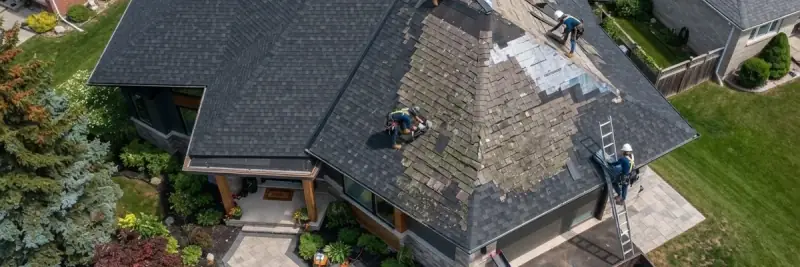
Roof Replacement
On Joliet historic housing the practical variables in a replacement are accumulated roofing layers and deck condition, neither of which is knowable until the tear-off starts.
Learn more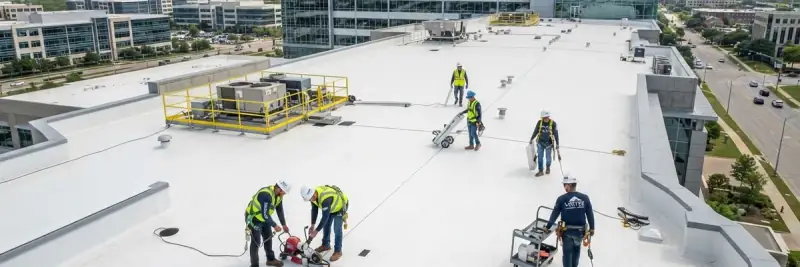
Commercial Roofing
Joliet carries one of the larger industrial and logistics footprints in the region, which means warehouse and distribution roofs measured in acres rather than squares.
Learn more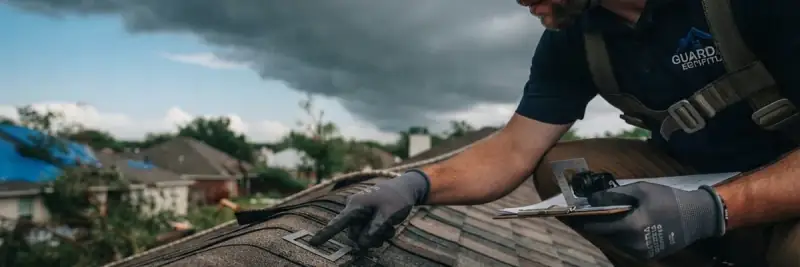
Storm Damage Roofing
Will County sees recurring severe thunderstorm complexes moving in from the west and southwest, and Joliet takes them without much upwind buffering.
Learn more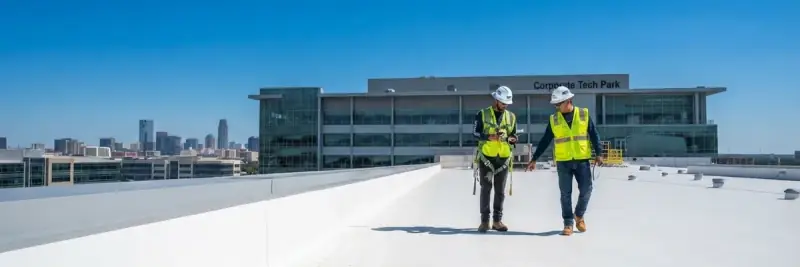
Flat Roofing
Learn moreOlder commercial buildings
The industrial and logistics footprint here is one of the larger ones in the region: warehouses, distribution centres and factories under acres of low-slope roof, alongside older downtown commercial buildings with masonry parapets. Drainage capacity and perimeter terminations drive service life on the large-format roofs.
Getting a roofer out
Call with the address and a licensed, insured roofer working Joliet takes it from there: inspection, photographs, then the price in writing. Who does the work.
Roofing questions from Joliet
Specific to Cathedral Area Historic District, Upper Bluff Historic District and the rest of Will County, with everything else on the FAQ page.
My Victorian’s chimney mortar is crumbling. Can the roofer fix the flashing?
Not properly until the mortar is sound. Counterflashing is cut into the mortar joints, and deteriorating mortar will not hold it. On Joliet’s historic homes, the chimney often needs repointing by a mason first. Then the roofer can flash it so it stays watertight.
Does Joliet’s severe weather mean I should inspect more often?
It is worth checking after every major storm. Will County sits in an active severe weather corridor with recurring high-wind thunderstorm complexes. Wind damage often does not leak straight away, so a look after a big storm catches lifted shingles and edges before the next one widens the gap.
What should I know about roofing a frame cottage in Joliet?
Frame cottages tend to have steep but simple roofs, often with several accumulated layers and older plank decking underneath. Expect a full tear-off and a check of the deck once it is exposed. The roof form itself is straightforward, which keeps the rest of the job routine.
Is it worth restoring cornice detailing during a reroof?
Usually, yes. The cornice is a large part of an older home’s character, and on many it hides a built-in gutter. With the roof open, the cornice is easy to reach, so it is the right time to repair any rot and make sure the flashing at the cornice is sound.
Nearby communities
Crest Hill, Shorewood, Lockport, Plainfield, Romeoville. Each has its own page covering local housing stock.
From the Roofing Education Center
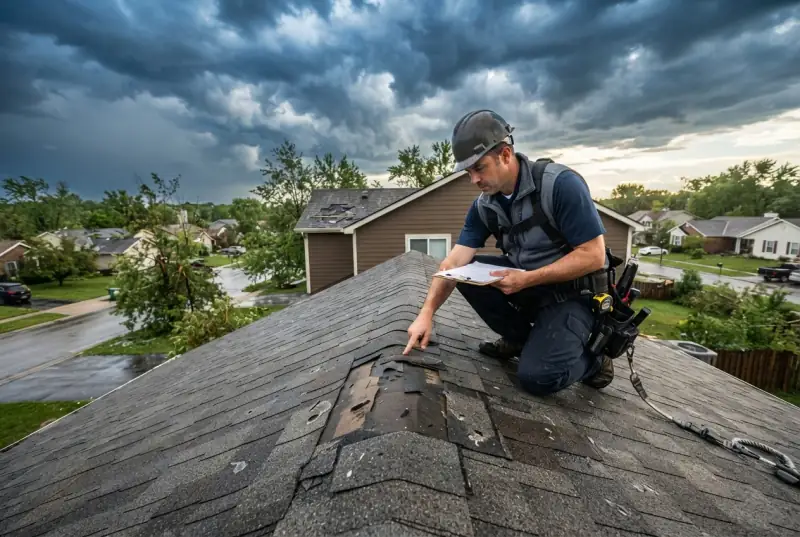
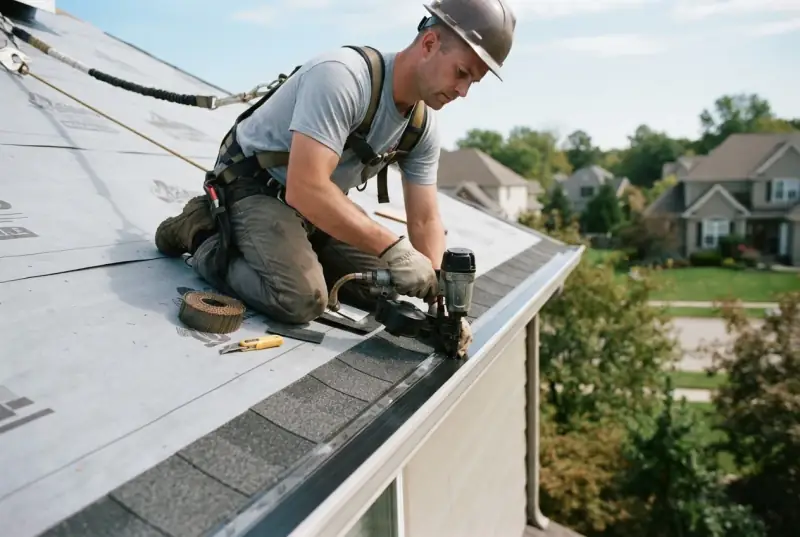
Start with a look at the roof
Call and describe the roof. A roofer who works Joliet can get out to look at it.