
Roofing in New Lenox, on Open Ground
Steady late-century and 2000s growth with little upwind shelter, so wind loading drives the fastening spec.
Open ground and what wind does to a roof
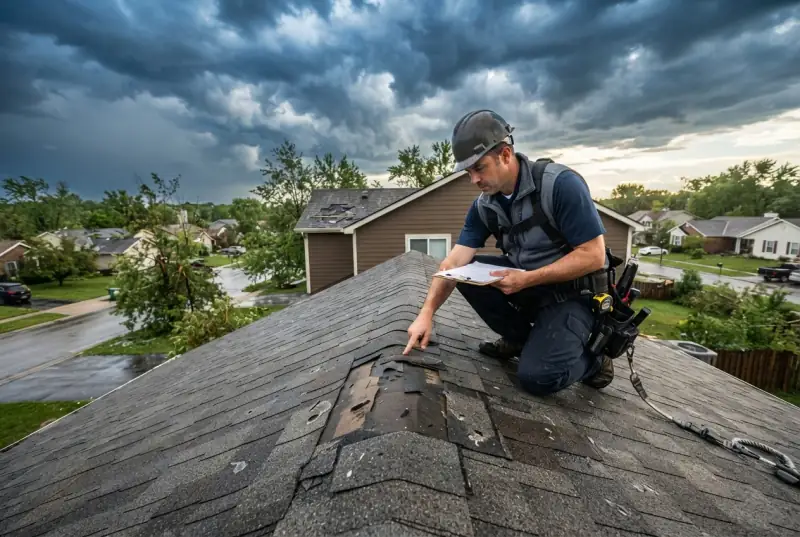
With the tree cover essentially absent across the newer sections, wind is the whole story here. Storm systems cross open ground and hit these roofs at full strength, and the damage is concentrated exactly where uplift peaks: ridge caps, rake edges, and the first courses above the eave. Shingle wind rating and fastener placement in the nailing zone matter more in New Lenox than in most communities around the metro, and drifting snow across open ground loads roofs unevenly in winter.
The houses out here
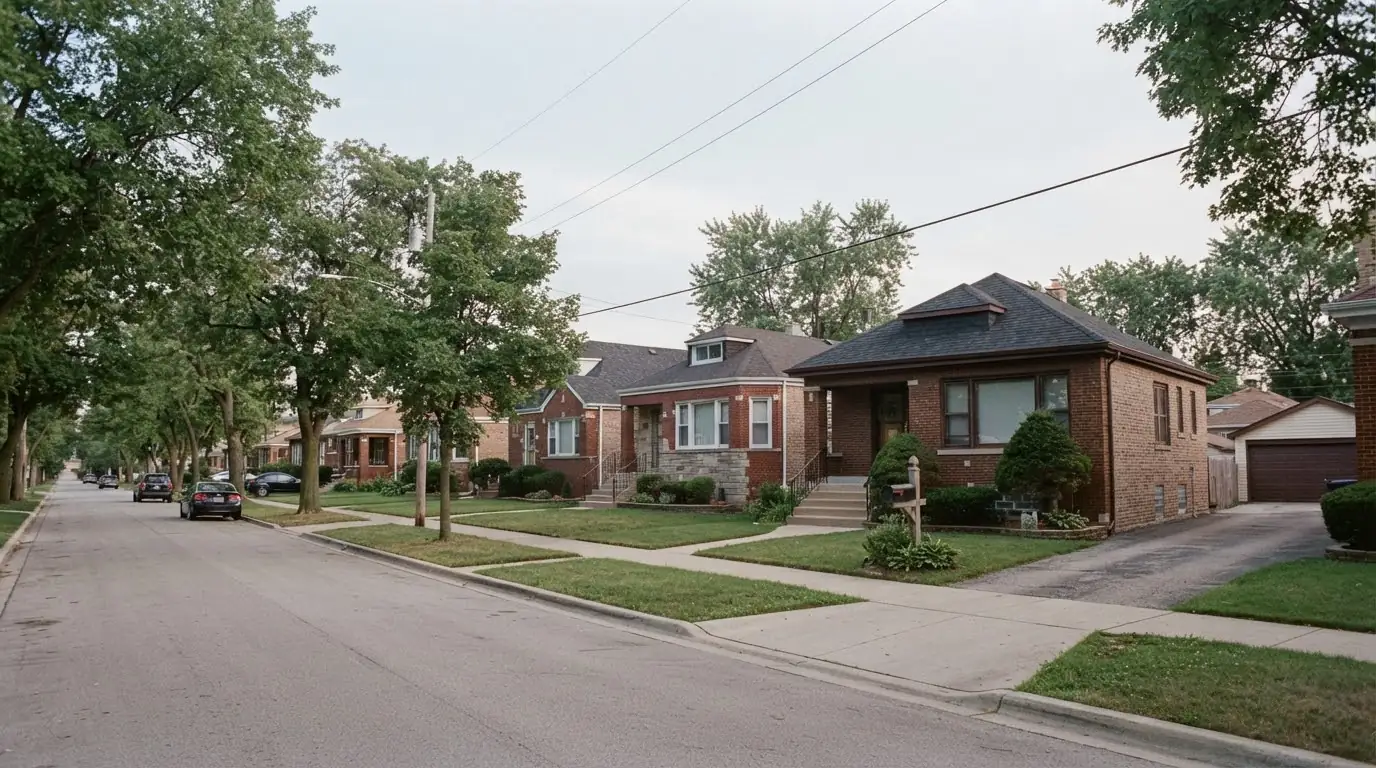
New Lenox has grown steadily since the 1980s, with most of the current housing stock built between 1990 and 2010. The village sits on open Will County terrain with little natural wind buffering, which is the dominant environmental factor for roofs here: storm damage calls are a consistent part of the work, and wind resistance is a real consideration in material selection.
New Lenox was built out across converted farmland, and the newer neighborhoods have almost no mature tree cover at all, which is a unusual condition in this metro and changes the roofing calculus. There is no debris loading in the valleys and no limb-strike risk, but there is also nothing at all between these roofs and the wind. The housing itself is predominantly 1990s and 2000s two-storeys with multi-gable elevations and attached garages, built in phases tied to school district expansion, so entire neighborhoods reach first replacement within a season or two of each other. Older ranches and split-levels sit along the Route 30 corridor near the original village centre.
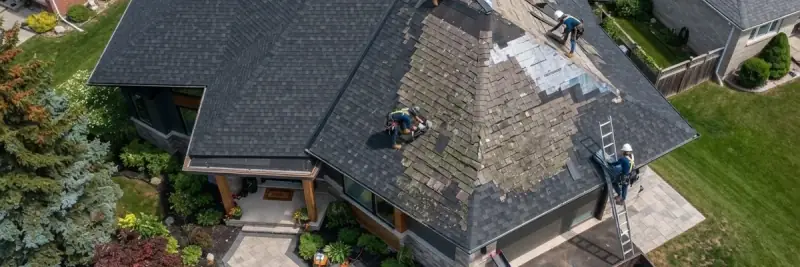
Services called in most here
What gets called in most around Cherry Hill area and Marley area, roughly in the order it comes up.


Roofing questions from New Lenox
Specific to Cherry Hill area, Marley area and the rest of Will County, with everything else on the FAQ page.
My home has no trees nearby. Is that good for the roof?
In one way. With almost no mature tree cover in the newer neighbourhoods, there is no debris in the valleys and no risk of falling limbs. The trade-off is full sun and full wind exposure, and in New Lenox wind is the main thing a roof has to stand up to.
Does full sun shorten a roof’s life?
It can. Sun and heat age shingles faster, especially on the south and west slopes, and with no trees there is no shade at all. Good attic ventilation keeps the deck cooler and helps. Expect those sunny slopes to show wear before the north side does.
What roof damage is most common in New Lenox?
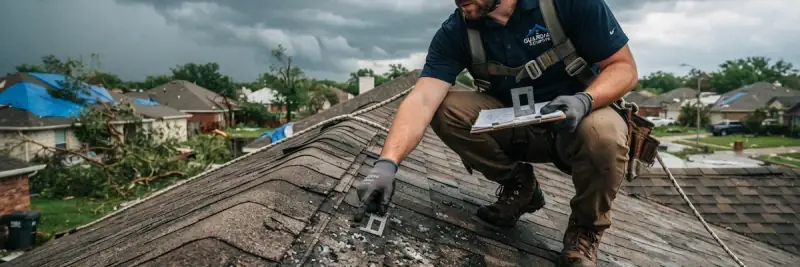
Wind lifting and tearing shingles. Storm systems cross open former farmland with nothing to slow them, so ridge caps, rake edges and the first rows above the gutter take the most. Check them after any strong storm. A loose ridge cap left alone is what lets the next storm peel back a whole row.
Do I need gutter guards with no trees around?
Probably not. Gutter guards are mainly for keeping leaves and debris out, and with little tree cover there is little debris to catch. Your money is usually better spent on making sure the gutters are properly sized and pitched. That matters more here, with nothing to slow the rain off a sunny, open roof.
Getting a roofer out
Call with the address and a licensed, insured roofer working New Lenox takes it from there: inspection, photographs, then the price in writing. Who does the work.
Industrial and commercial roofs
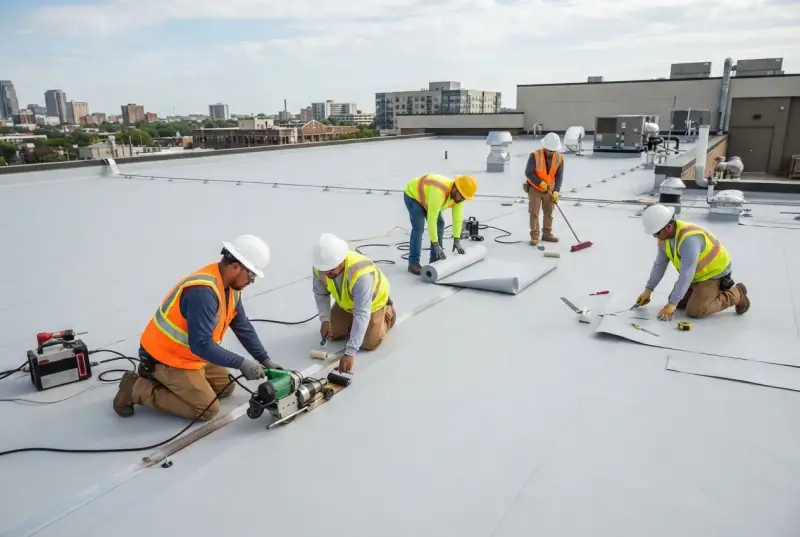
The Route 30 corridor and the medical and office property near the hospital campus provide retail, restaurant and professional office low-slope roofing work.
Nearby communities
Mokena, Frankfort, Joliet, Lockport, Tinley Park. Each has its own page covering local housing stock.
Start with a look at the roof
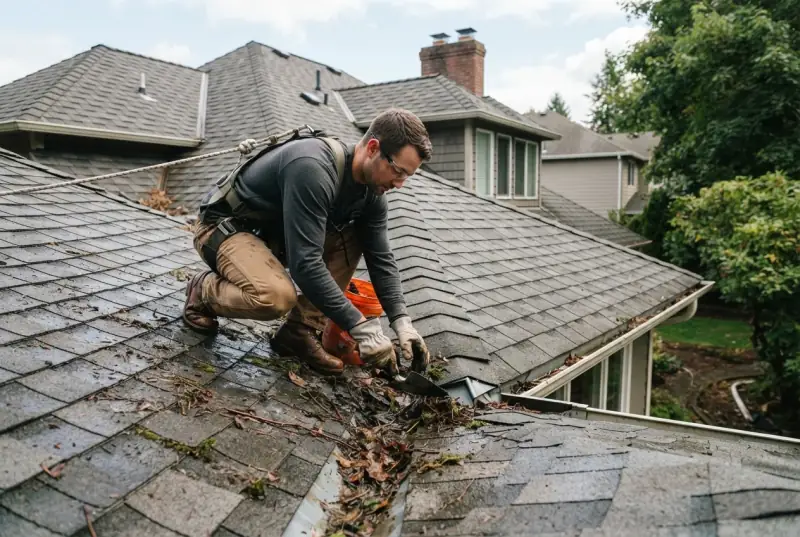
Call and describe the roof. A roofer who works New Lenox can get out to look at it.