
Bungalow and Postwar Roofing in Villa Park
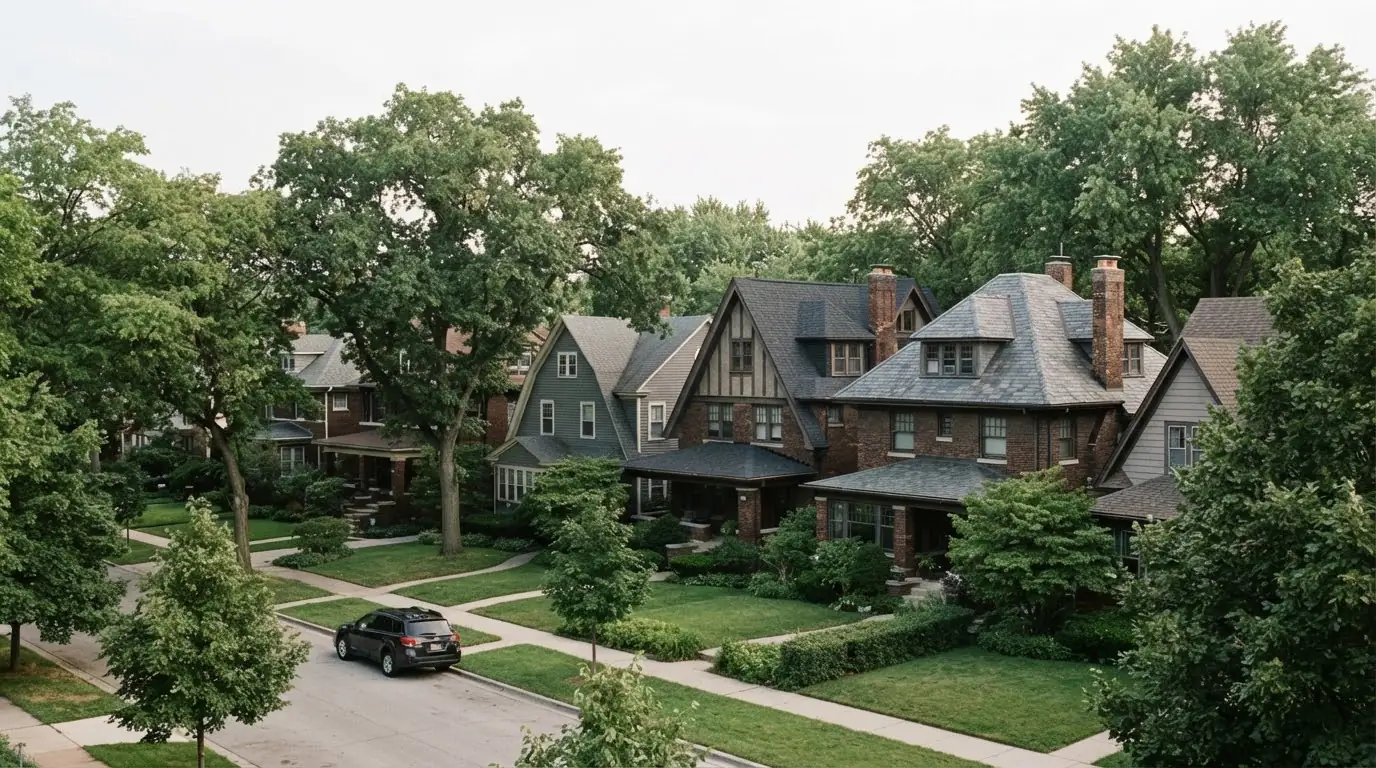
1920s bungalows and postwar homes along the Prairie Path, compact lots and simple roof forms that age predictably.
Dense blocks, tight lots, flat roofs behind parapets
Villa Park is a compact, largely built-out village with a housing stock that runs from 1920s bungalows and foursquares near the older commercial districts to postwar ranches and split-levels through the rest of the village. It is a community of modest, well-built houses with straightforward roofs, where the main variables are how many layers are up there and what condition the decking is in underneath.
The older sections near Villa Avenue and the Prairie Path carry 1920s bungalows, Craftsman homes and foursquares with moderate pitches, front dormers and the finished-attic ventilation problem that comes with that housing type. Postwar development added ranches, Cape Cods and split-levels with simple forms. Rear additions and enclosed porches are common across the village and frequently carry low-slope sections that need a different roofing system than the main house. Detached garages are near universal and are often on a separate replacement cycle.
What freeze-thaw does to masonry and roofs
Standard eastern DuPage exposure with recurring severe thunderstorm wind and hail. Ice damming is the persistent winter issue in the bungalow sections, where finished attics and limited soffit intake create exactly the conditions that back meltwater up under the eave courses.
Services called in most here
What gets called in most around Villa Avenue corridor and Prairie Path corridor, roughly in the order it comes up.
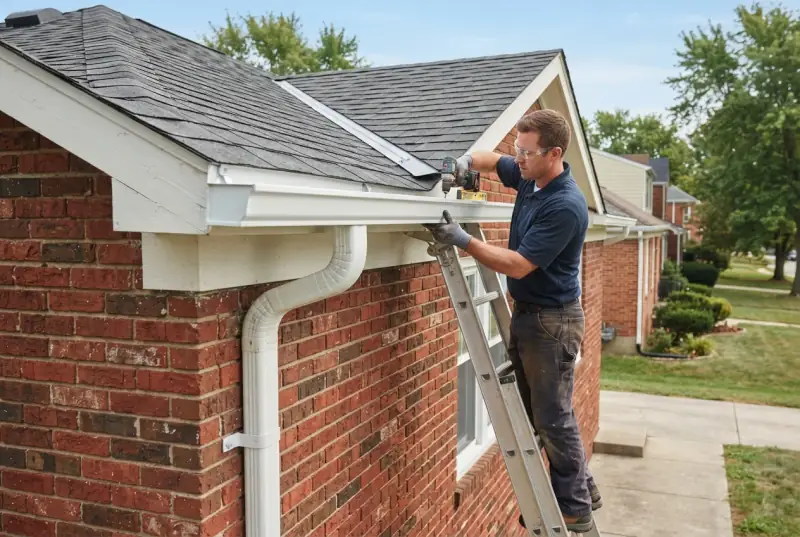
Getting a roofer out
Call with the address and a licensed, insured roofer working Villa Park takes it from there: inspection, photographs, then the price in writing. Who does the work.
Roofing questions from Villa Park
Specific to Villa Avenue corridor, Prairie Path corridor and the rest of DuPage County, with everything else on the FAQ page.
Will adding insulation to my finished attic stop the ice dams?
It helps, but only if it is done with the ventilation in mind. Insulation packed tight against the roof deck can block the air gap that keeps the roof cold, and that can make ice dams worse. The insulation and an open path from soffit to ridge have to be planned together.
What should a roofer check on a Craftsman’s front dormer?
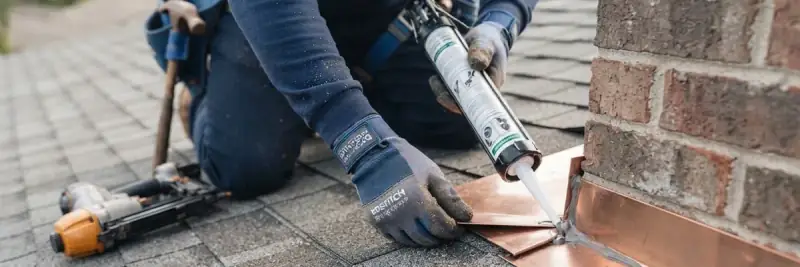
The step flashing along both dormer side walls, the apron flashing across its front, and any rot in the dormer face or its window trim. Front dormers on these homes are exposed and often patched over the years. They are a common leak point and worth a careful look.
Are the postwar Cape Cods roofed differently from the bungalows?
Yes. Cape Cods are steeper, with dormers and a half story upstairs, while the bungalows near the Prairie Path have low hipped roofs. Each has its own ventilation problem: knee walls in the Cape Cods, finished attics in the bungalows. Tell the roofer which you have.
How long does it take to tear off and reroof a bungalow?
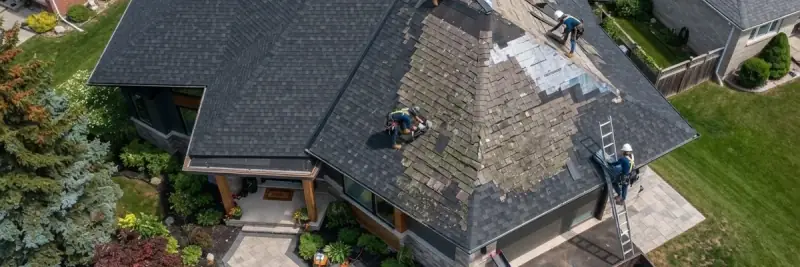
Often a day or two for a typical bungalow, depending on how many layers come off, how much decking needs replacing, and the weather. A finished attic means the crew has to protect the rooms below during tear-off. Ask how they will keep dust and debris out of the house.
Nearby communities
Elmhurst, Lombard, Addison, Oak Brook, Berwyn. Each has its own page covering local housing stock.
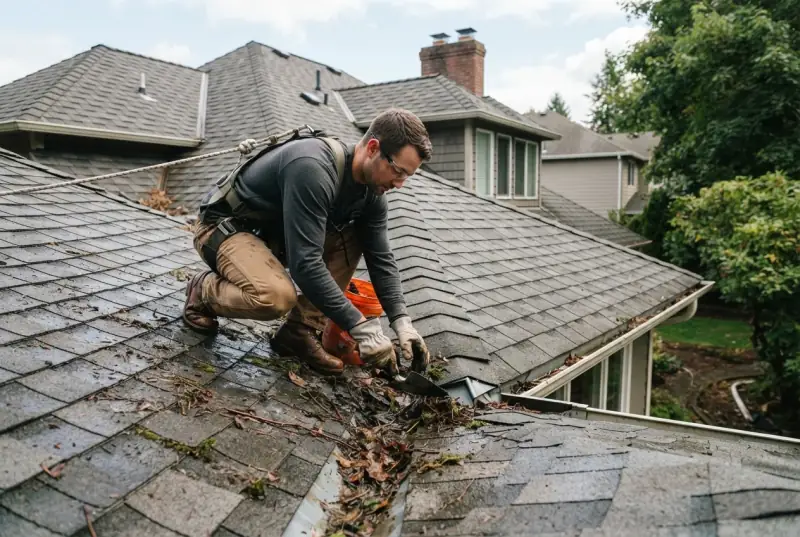
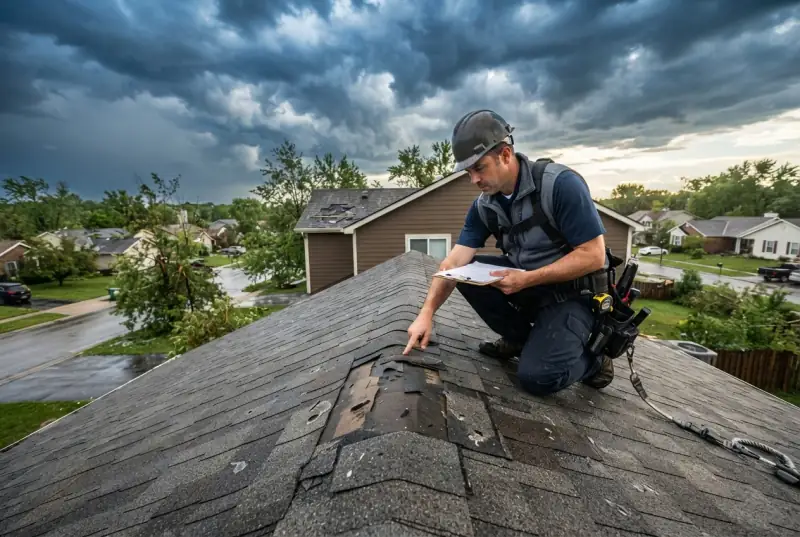
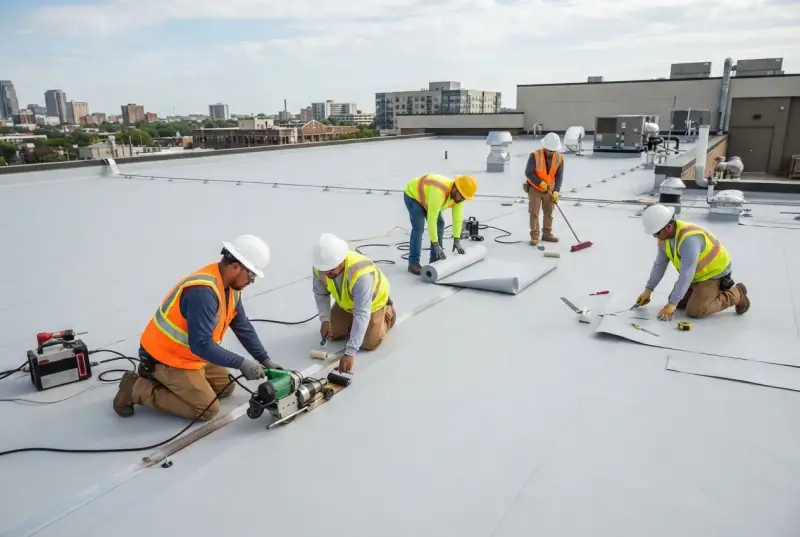
Start with a look at the roof
Call and describe the roof. A roofer who works Villa Park can get out to look at it.